Us
The label of 'Dongbei' (Northeast) renders it a marginal community 'subservient' to the Central Plains. The author argues that a true sense of community stems from naturally grown culture and history, not externally imposed identification. External discrimination, on the contrary, becomes an opportunity to awaken the Dongbei people's self-awareness, prompting them to reflect on their identity, rediscover the meaning of 'Us,' and form a genuine regional and destiny community.
I. “Us” and Dongbei
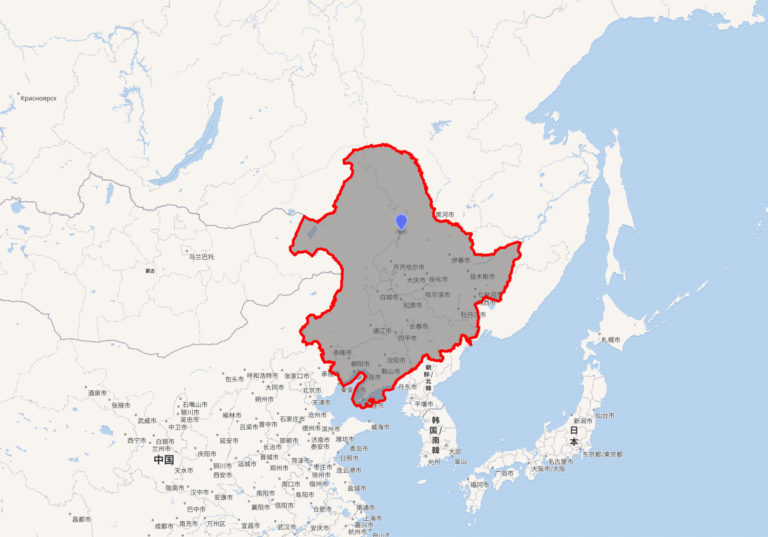
The biggest difficulty in the Dongbei revitalization lies in the unbroken inner demon of the Dongbei people. What is this inner demon? It lies in the very two characters, “Dongbei.” It is a direction relative to the central area, it is confined to a corner, it is the upper right corner, it is the chicken’s head—it is merely an periphery and a frontier.
As a developing community, the concept of “Us” has long been absent for the Dongbei people. Without this subject consciousness of “Us,” there is no self-assertion, and it naturally becomes a “dependency” (or rather, a “vassal”). It is not only a “dependency” in terms of survival and development but also a misplaced dependency in the way of thinking, stemming from a cognitive deviation of the origin.
This dependency is so deep-rooted that no Dongbei person would realize it. Our desire for a community is like an infant’s craving for maternal love—desperate and indiscriminate. China offered the Dongbei people a sense of community identity, and we immediately grabbed it and wholeheartedly invested in it. We took their interests as our starting point and contribution as our glory. We felt excited by their prosperity and, adopting their historical narrative perspective, eagerly accepted a “plastic” community. This positional deviation of the community led to our cognitive deviation and the loss of our self-assertion. The result is that the Dongbei people have vanished into oblivion in one year after another of “peace and quiet.”
 There are two kinds of communities in this world. One is man-made, requiring someone to remind you since childhood. They are afraid you might forget, afraid you might suddenly realize the truth one day in the future. This is because it is closely related to them, and they have an interest in it, just like remembering to replenish the granary in time or the oil depot in time. But there is another kind of community, which is natural. It is the tacit humor conveyed in the accent, the sound of crunching snow underfoot when walking home under the moon, the suancai xuechang bairou (sour cabbage, blood sausage, and white meat) that greets you as the north wind and smoky snow push the door open, it is the “We’re home” echoed in the train car after passing Shanhaiguan (Shanhai Pass), it is something that grows naturally.
We are a natural community. No one has ever taught us to love, but there is always a moment when the heart of a Dongbei person cracks open, as if the spring ice is splitting, and something wakes up that makes us both afraid and excited.
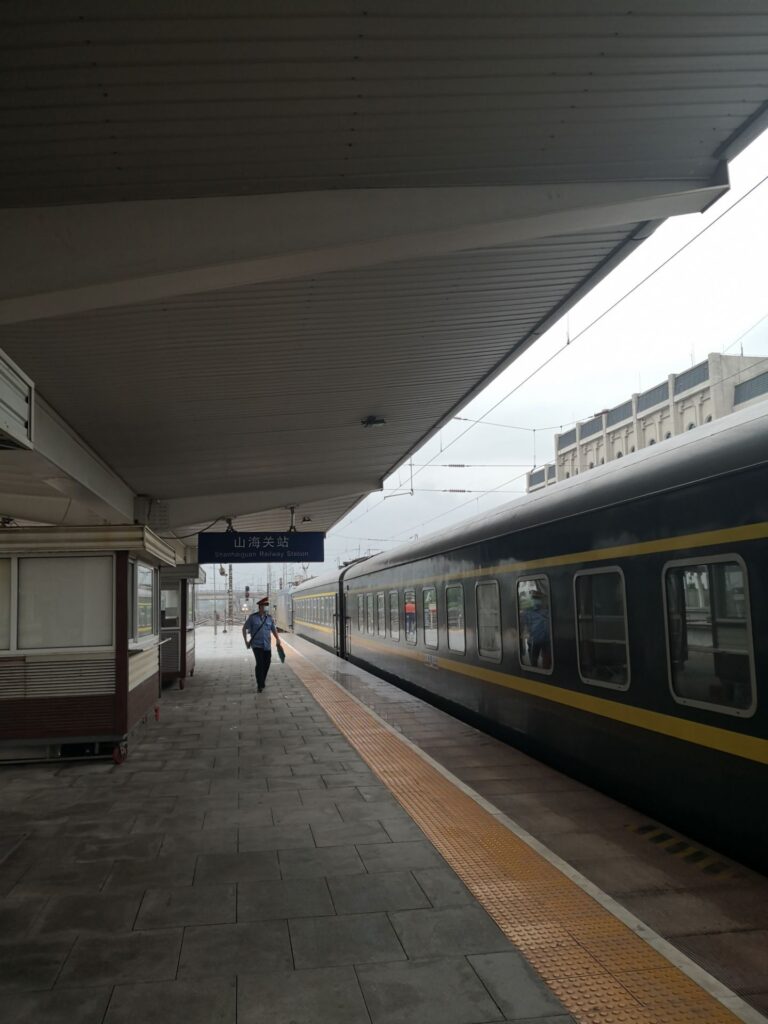
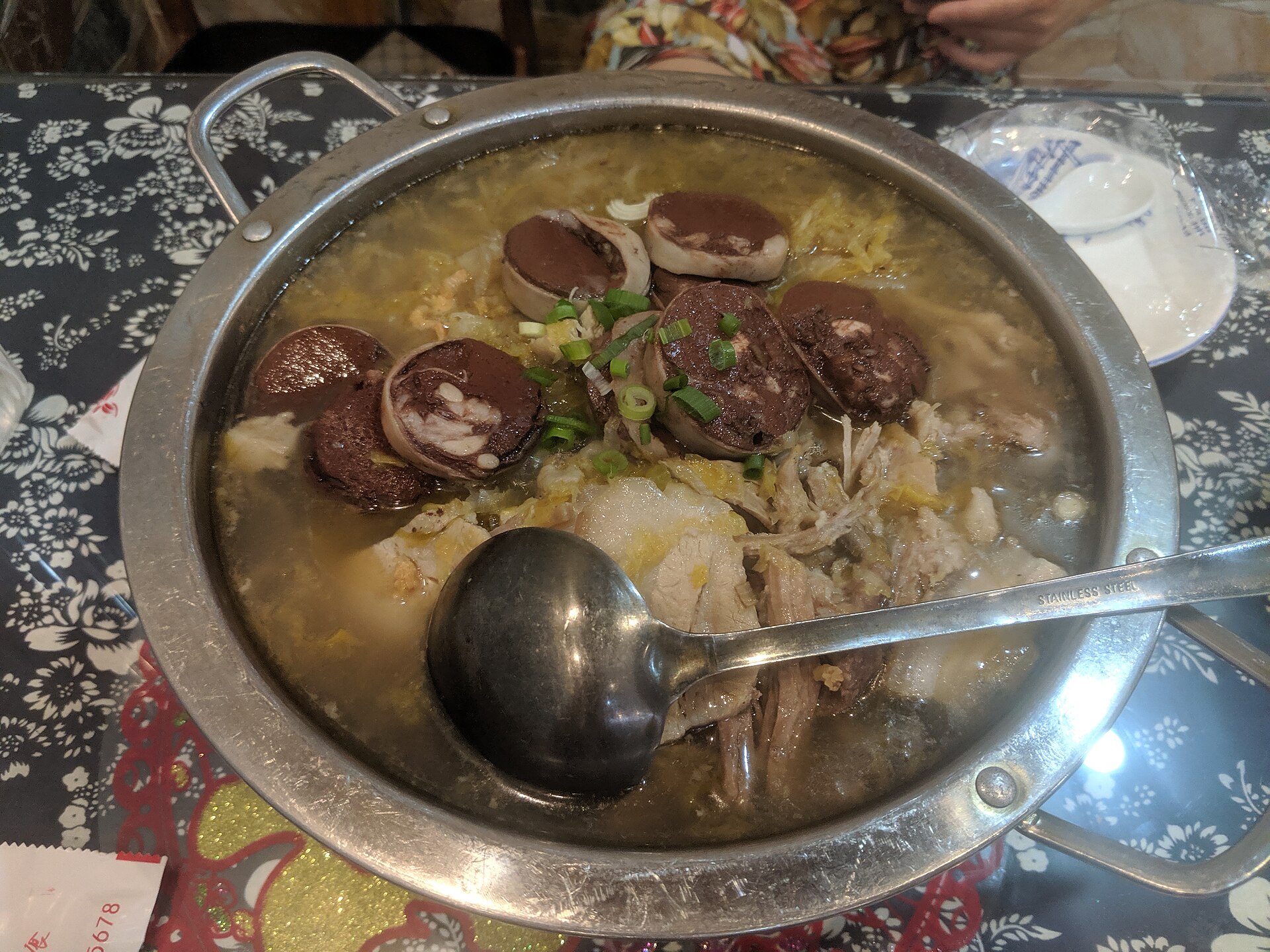 A true community is not one that is highly energized by morality and interest; it comes from the accumulation of bits and pieces over time: the same people, the same destiny, the same aspirations. It possesses the power of naturally grown bloodlines and local culture.
What are the obstacles and difficulties to the rise of Dongbei? The author believes it is that we don’t know who we are. Only by finding this coordinate will we find a possibility; otherwise, everything about us will always belong to them. In the end, they will also write our history, as if nothing ever happened—just a vast, desolate, frozen land, as if these vital, rustic, and profound people had never appeared.
II. Discrimination is Our Pain, and Also Our International Friend
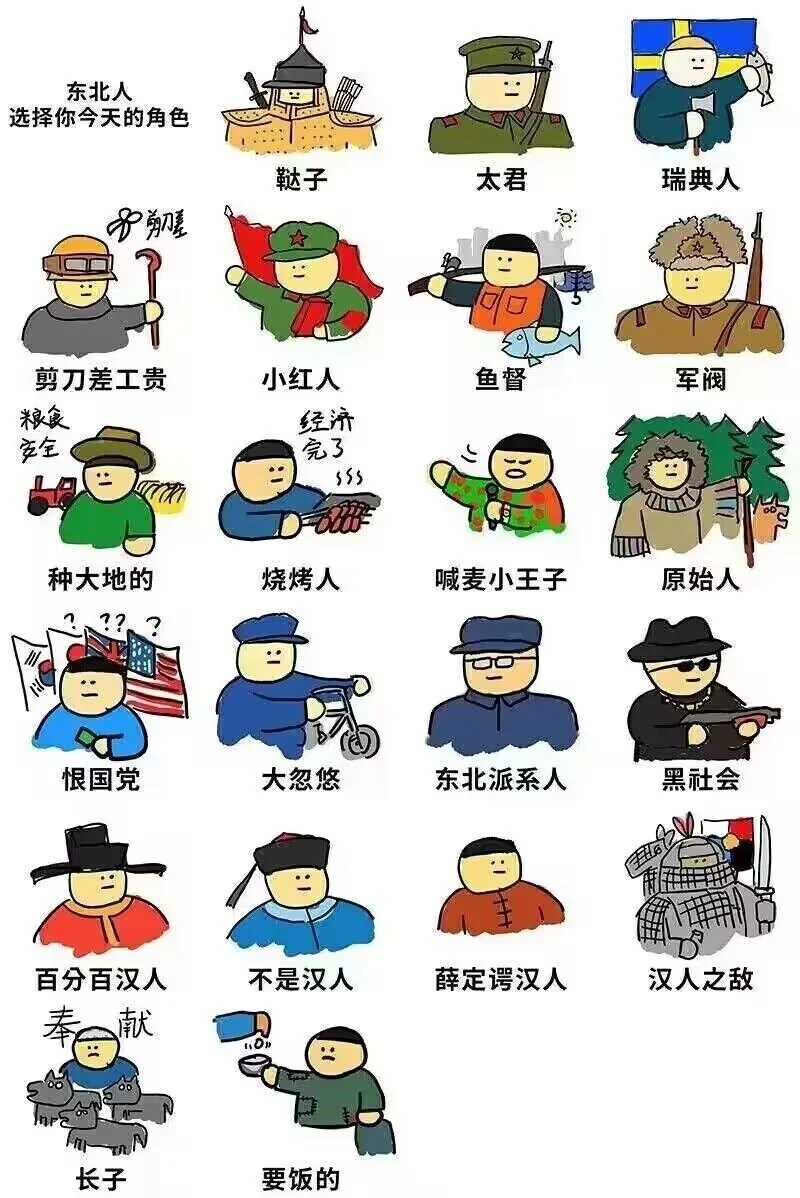
Today, the “Guanei Gaze” (Central Plains Gaze) is rampant. If you are a Dongbei person, a series of contemptuous prejudices are cast upon you: “Dongbaby” (a derogatory term phonetically similar to a crude slur, a nasty joke by people from Guannei), “the most brain-dead pink area,” “descendants of the Japanese,” “haters of the country,” “no investment beyond Shanhaiguan,” and so on. You also realize that much of the content is self-contradictory and falls apart on its own, but the condescending disdain of the Guannei (people from inside the Pass) towards us is real.
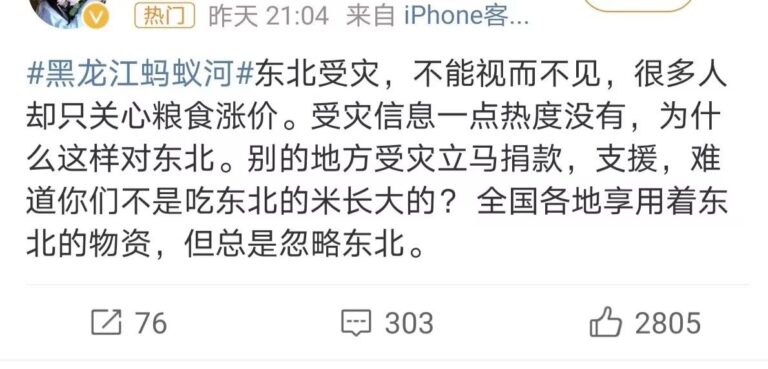
 In the past, the eyes of the Dongbei people were blindfolded, but the malice of reality has made us see the truth. External hostility and discrimination are the best opportunity to awaken the consciousness of a community, and once this process is started, it is not changed by anyone’s subjective attitude. Similar to the awakening of the French national consciousness, the immense energy it generates will immediately spread across the three-thousand-kilometer-long land. Deep in our hearts, subconsciously, we will begin to involuntarily contemplate: Who exactly are “We”? Who are “They”? It may not be profound, but it is simple and direct. In a flash, it is as if a person who has never looked in a mirror discovers themselves in the reflection—it turns out there is a genuine “Us” in this world. It is no longer words in a book and fluttering flags, no longer passionate songs and grand narratives. This “Us” is unfamiliar yet intimate, rustic yet real. It exists in the most unpretentious syllables of our speech, in the food that evokes our homesickness, in countless things we take for granted while they disdain. “We” are such a natural whole, a true regional community, a community of interest, and a community of destiny. She grows naturally, silently, occupying the most sincere part of our hearts, and we never noticed her, until one day, when “We” are discriminated against and viewed with hostility by those we thought were “compatriots,” “We” suddenly realize that the fake can’t be real, and the real has always been there, never leaving.
Dongbei people, when a faint thought that makes you afraid but incredibly excited suddenly stirs in your heart—a thought you can’t speak or write out, one you even dare not dwell on—believe me, every Dongbei person is thinking the same thing, by coincidence. Don’t suppress it, and there’s no need to force it; let it grow naturally within you. From now on, every instance of discrimination will have a new meaning. It is sunshine and rain; it is life and death.
If you think the article is good, please forward and share it.
If you have good ideas, please contribute!
Feel free to reward the author!
Your encouragement is our greatest motivation to move forward.

USDT/C(TRON)

ETH
USDT/C(TRON): TMnjj9fXsXafwg6vPRACFkAN8s9WomU7FZ
ETH: 0x786e11A0E7D97A6f8a110a1ab5Ba5D2F08eab011