[Nanhu Conversations II] Where Northeasterners’ Sense of Mission Comes From -- On the Spiritual Impact of National Character on the Entire “Northeasterner” Group
Starting from Manchukuo’s civic education and nation-building project, this essay examines the origins of Northeasterners’ sense of mission, discipline, and modern regional identity dilemmas.
Cultivating Northeasterners’ sense of mission was a national education policy of Manchukuo, and it was also one of Manchukuo’s greatest successes. Many people talk about how much industrial capacity and natural resources China plundered from Manchukuo, but they often overlook the civic qualities, sense of mission, and discipline that the Japanese deliberately cultivated during Manchukuo’s formation. In East Asia, this was unique. Japan, Korea, China, and Mongolia all had their own historical origins for nation-building, but Manchukuo was a very special case: a state came first, and then a nation was constructed afterward, from zero to one. It can be described as a purely artificial process. Its weakness was that it could easily be hijacked; its strength was that it was relatively pure and modern. This is also the underlying logic behind China’s continuous extraction from Manchuria from 1945 to the present: Manchukuo’s nation-building made the human resources of this place extremely “usable.” Its original design was to construct a new nation and a new state.
This regional character, or national character, meant that it had no regional self-identity, only a sense of national mission. It was entirely non-feudal and thoroughly nationalized. Whoever occupied the position of “the state” would receive its wholehearted loyalty and labor, without being asked to provide the underlying justification for that loyalty. No other nation has this trait, because all other peoples have a natural need to first satisfy their own survival and then their own development. Northeasterners, or citizens of Manchukuo, were not taught to emphasize this, and they did not possess it. In plain language, they were easy to command, obedient, and guileless; in elevated language, they had a sense of national and ethnic mission, were willing to sacrifice and devote themselves, and possessed national honor. In China, this kind of quality is considered a high-level quality, something rarely encountered, and even when it appears, it is usually among revolutionaries or intellectuals. But Manchukuo could mass-produce it: millions of middle school, high school, and even university students were produced in an industrial assembly-line manner. They were originally meant to be human resources for building the East Asian Co-Prosperity Sphere after victory in the Greater East Asia War; in the end, after the Japanese Empire collapsed, they were cut down in batches by the CCP.
This model of Manchukuo civic education was copied by the CCP and used to construct the civic foundation of its own republic. But the results were far inferior to Manchukuo’s, because a blank sheet of paper is easier to paint on, and in an industrial region there were almost no feudal remnants; the Japanese had basically already formatted everything. So this history of shaping people’s minds and characters must not be ignored.
To use a somewhat imperfect analogy: in that era, Germany could call itself Nazi, and Japan could call itself militarist, and no one could challenge them. Italy could call itself fascist, but Manchukuo could challenge it on that point. Manchukuo’s route of nation-building borrowed very purely from fascist ideas: the state comes first, the state is everything, and the state shapes the nation.
Conversely, the national character of this region, its ethnic character, also depends heavily on “the state.” A large part of the tragedy of modern Northeastern development is that this “state” is foreign to it. It is not its true mother body. It shaped Northeasterners’ character into something gradually distorted, incomplete, torn apart, and full of contradictions that cannot explain themselves. Why is the mother’s most miserable son her eldest son? Is there any eldest-son mentality in the world more distorted than this? The reason is actually simple: this mother is not a mother. This mother is a demon appearing in the image of a mother, but in reality she is a man-eating demon. Once this logic is clarified, Northeasterners’ regional personality can gradually become natural, complete, and coherent. That does not mean everything will be fine; that is impossible. It means that the confusion and entanglement can be resolved. Breaking the chains and returning to one’s original state is the way home.
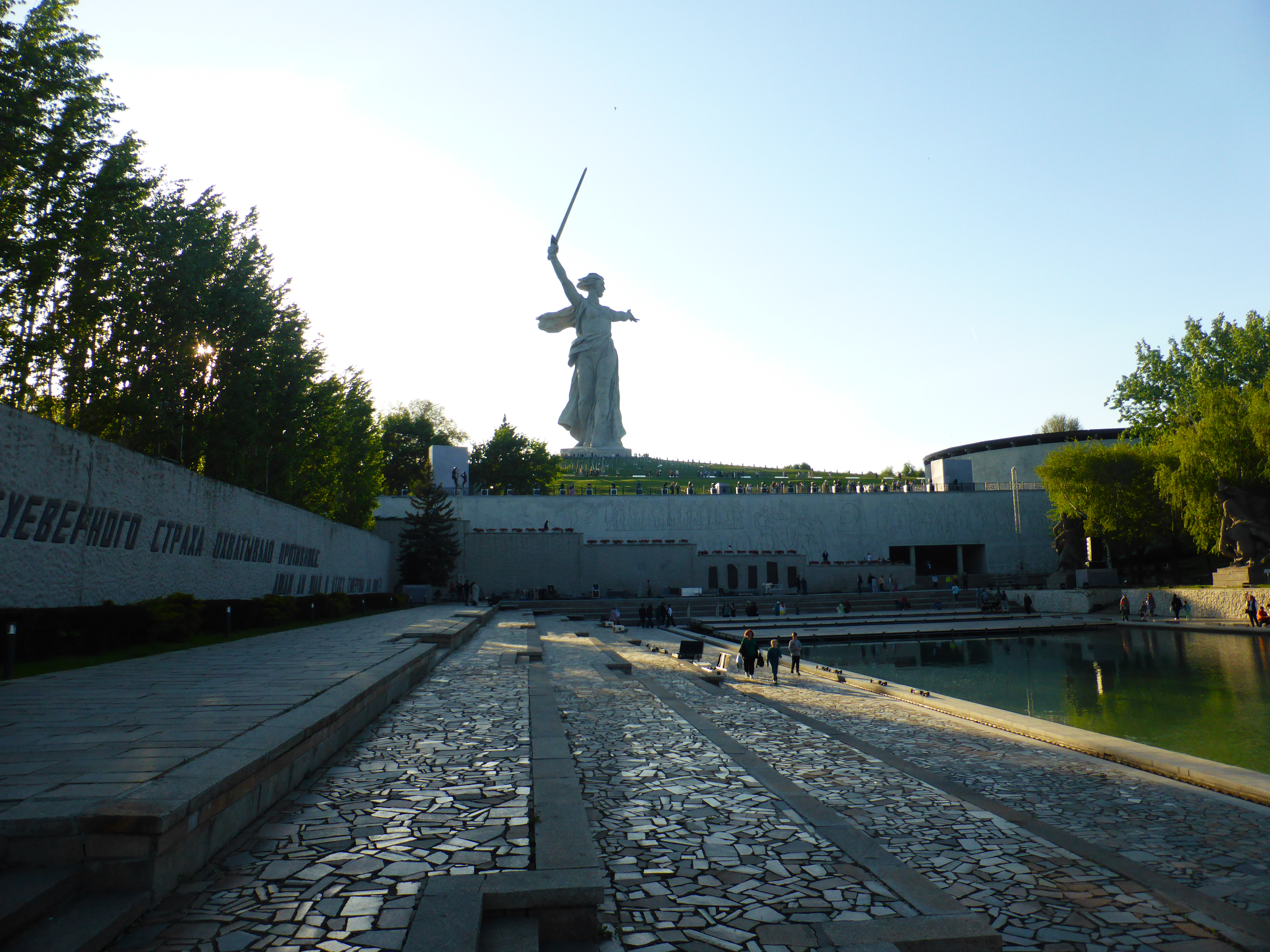
The violent impulse necessary within your national character will then find its moral direction: slay demons and protect the motherland.
If you think the article is good, please forward and share it.
If you have good ideas, please contribute!
Feel free to reward the author!
Your encouragement is our greatest motivation to move forward.

ETH
ETH: 0x786e11A0E7D97A6f8a110a1ab5Ba5D2F08eab011